
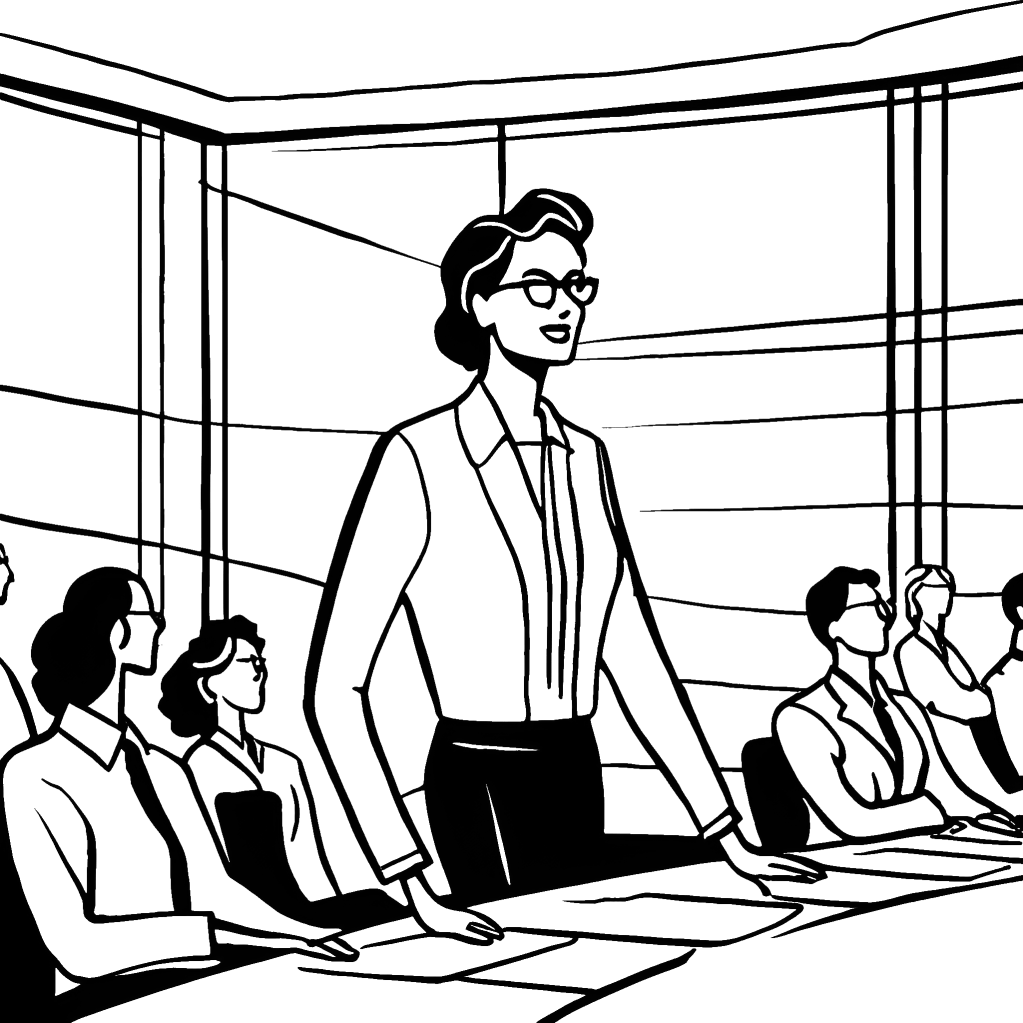
I used to think I was a good leader. In our quarterly meetings, I’d stand confidently before my team, presenting strategies, milestones, and plans. The office was always well-lit, the coffee was always fresh, and problems came neatly packaged in PowerPoint slides. My leadership style worked perfectly in this controlled environment.

Then came the storm—the war between Russia and Ukraine started.
It hit our team both emotionally and physically. Half our workforce was stranded; the project halted. Our clients and suppliers were panicking, and the leadership was breathing down my neck. The office with its perfectly arranged motivational posters seemed like a distant memory as I stood in front of my team with no answers, trying to coordinate efforts.

In those dark hours, I learned that true leadership isn’t about looking good in a tailored suit or delivering polished presentations. It’s about making difficult decisions when every option seems wrong. It’s about maintaining composure when your hands are shaking. It’s about giving hope when you’re battling your own fears.
I remember calling an emergency meeting with my team. My usual script was useless. Instead of quarterly milestones, we were discussing how to ensure our team and their families had shelter. Rather than rolling out new features to the market, we were figuring out how to keep everyone on payroll despite the sanctions.

The crisis stripped away all pretense. My team didn’t need a charismatic speaker; they needed someone who could think clearly under pressure, someone who could be honest about our challenges while maintaining hope for our recovery. They needed a leader who could admit when they didn’t have all the answers but was willing to work tirelessly to find them.
Looking back, I realize that those difficult months revealed more about my character than all the successful years combined.
In comfort, we play at leadership. In crisis, we live it.
The war not only tested our resilience but also washed away my illusions about what leadership truly means.
Today, when I mentor young leaders, I tell them, “Don’t judge yourself by how you perform when everything is perfect. Judge yourself by how you respond when your world is turning upside down. That’s when you’ll discover what kind of leader you really are.”
The war didn’t stop. We had to let go of many top performers but also create psychological safety for them to be vulnerable and feel safe at work. But the most profound reconstruction happened within me. I learned that true leadership isn’t a performance; it’s a test of character that comes when the lights go out, the script falls apart, and all you have left is your core values and the trust of those looking to you for guidance.

In the end, it’s not about being perfect. It’s about being present, being honest, and being resilient. Because when crisis strikes, your team doesn’t need a superhero—they need a human being who can stand steady in the storm and help them find their way through it.
 ACTUALIZED LEADERS
Leave a comment